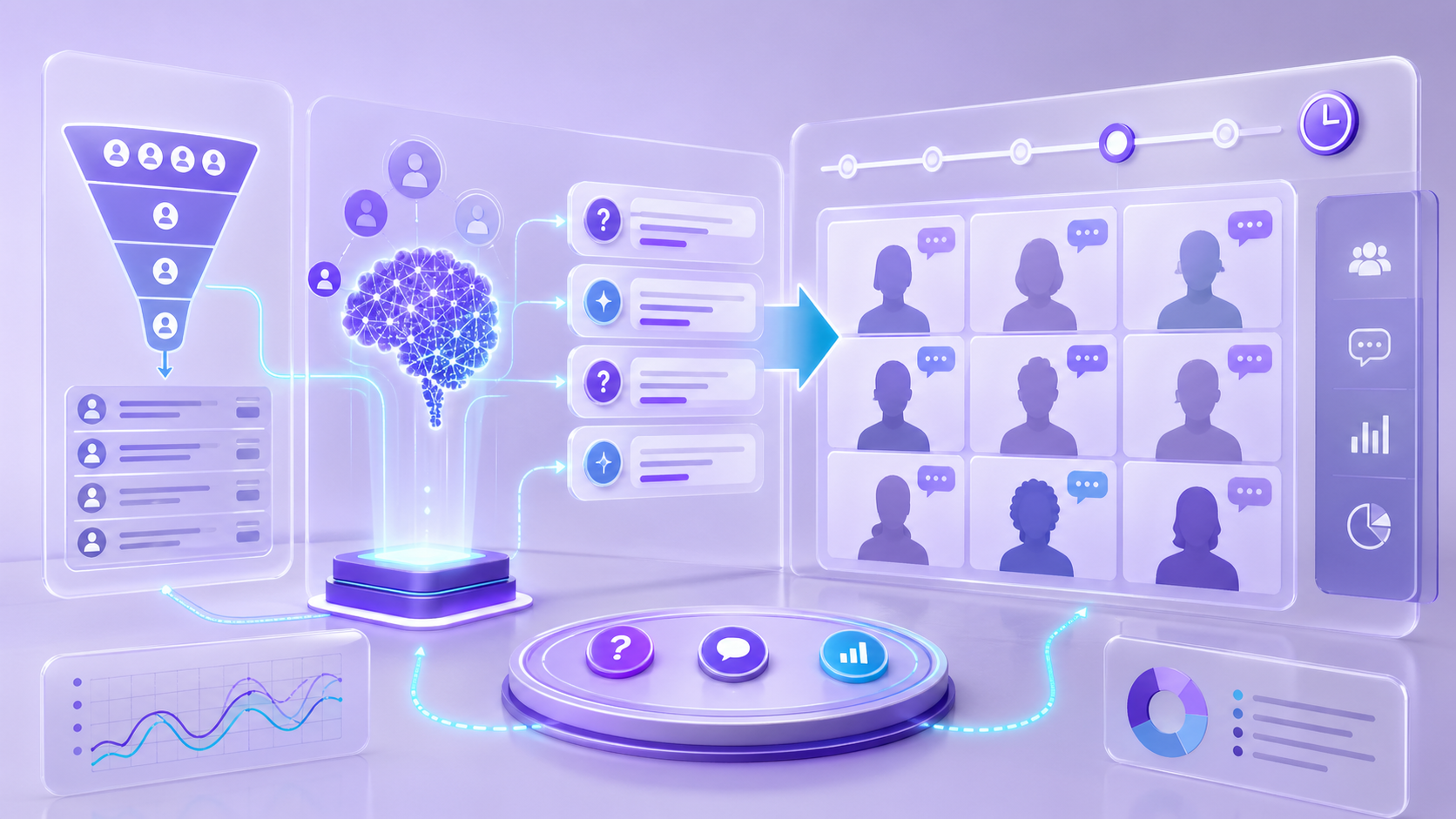
Online focus groups are still powerful when you need real human discussion, but they are not cheap or instant. This guide covers platforms, costs, workflow, and how AI can sharpen the work before recruitment.
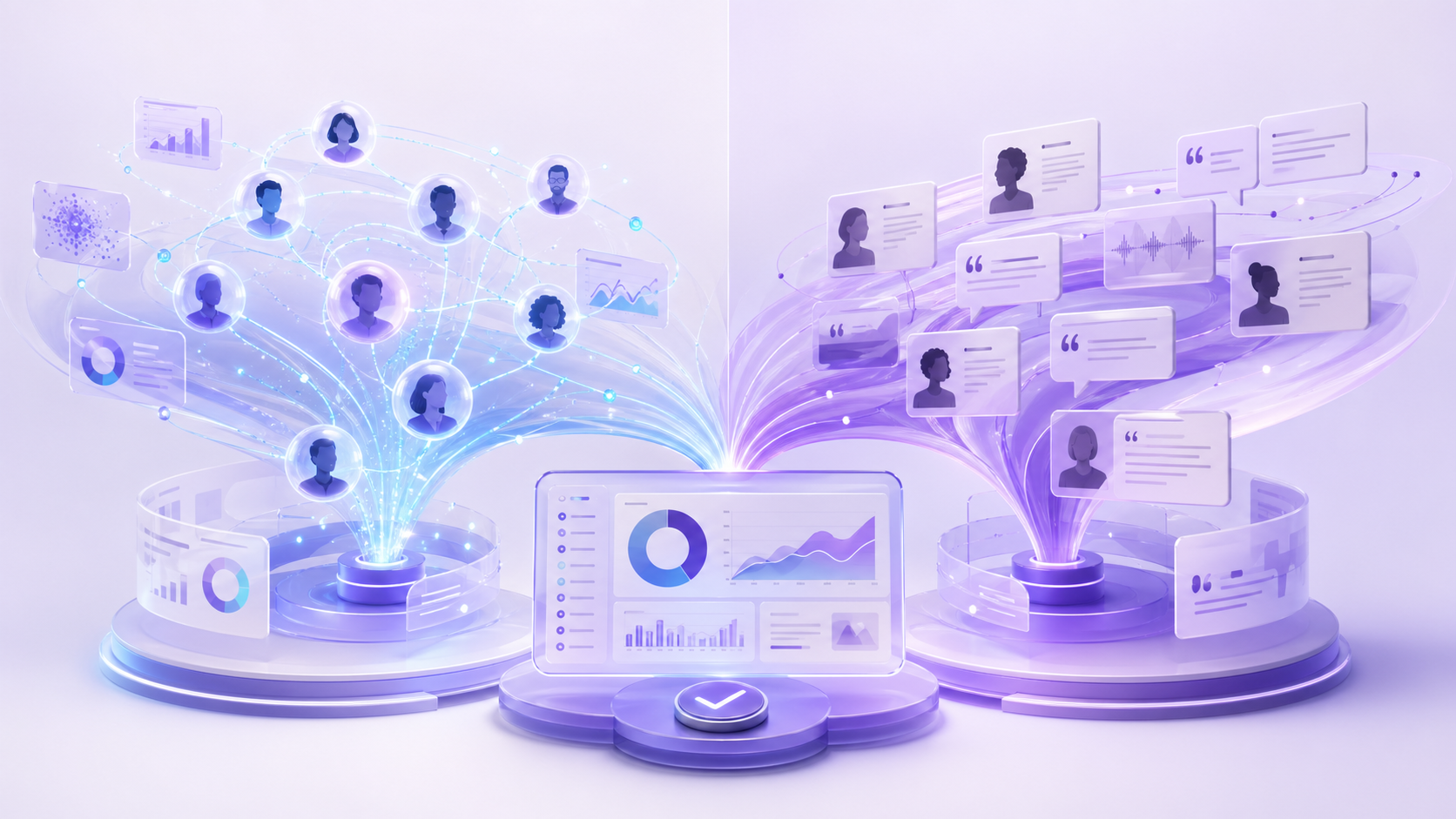
AI focus groups are fast and cheap; traditional focus groups are deeper and defensible. This comparison shows where each belongs and the workflow that gets the best of both.
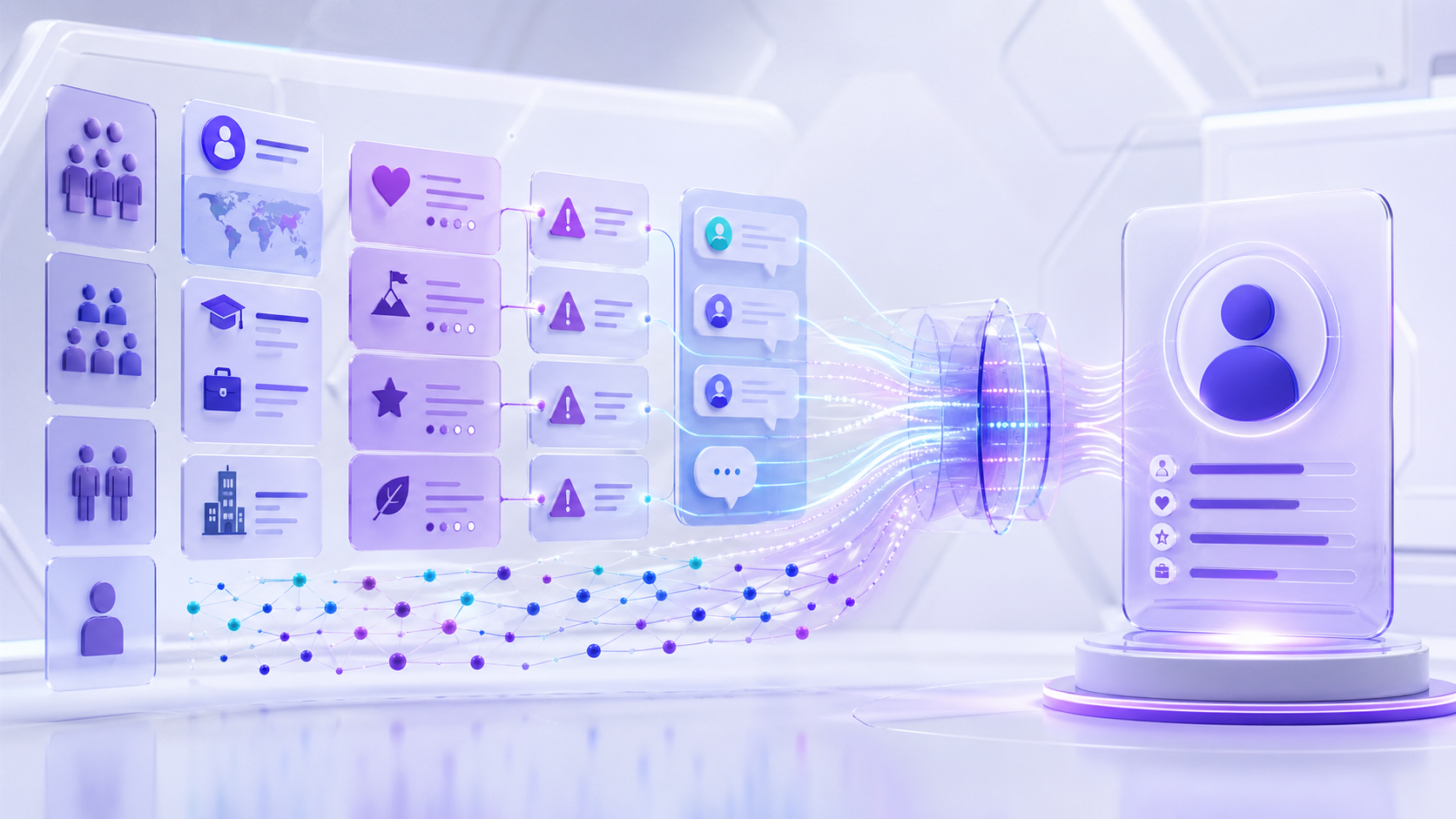
AI personas are useful when you treat them as simulations, not truth. This guide explains how generators work, where they save time, where they fail, and how to hand findings off to real research.
Good copy testing separates confusing language from copy that earns a click. Use these methods and question templates to remove weak headlines fast, then take the strongest variants to real traffic.
Internal approval is a weak message test. This guide walks through seven ways to pressure-test copy before campaign spend, from AI focus groups and panels to interviews, sales calls, and small-budget ads.
Most SaaS customer discovery fails because founders pitch instead of listening. Use this playbook to recruit better prospects, ask questions that surface behavior, and rehearse with AI personas before real buyer calls.
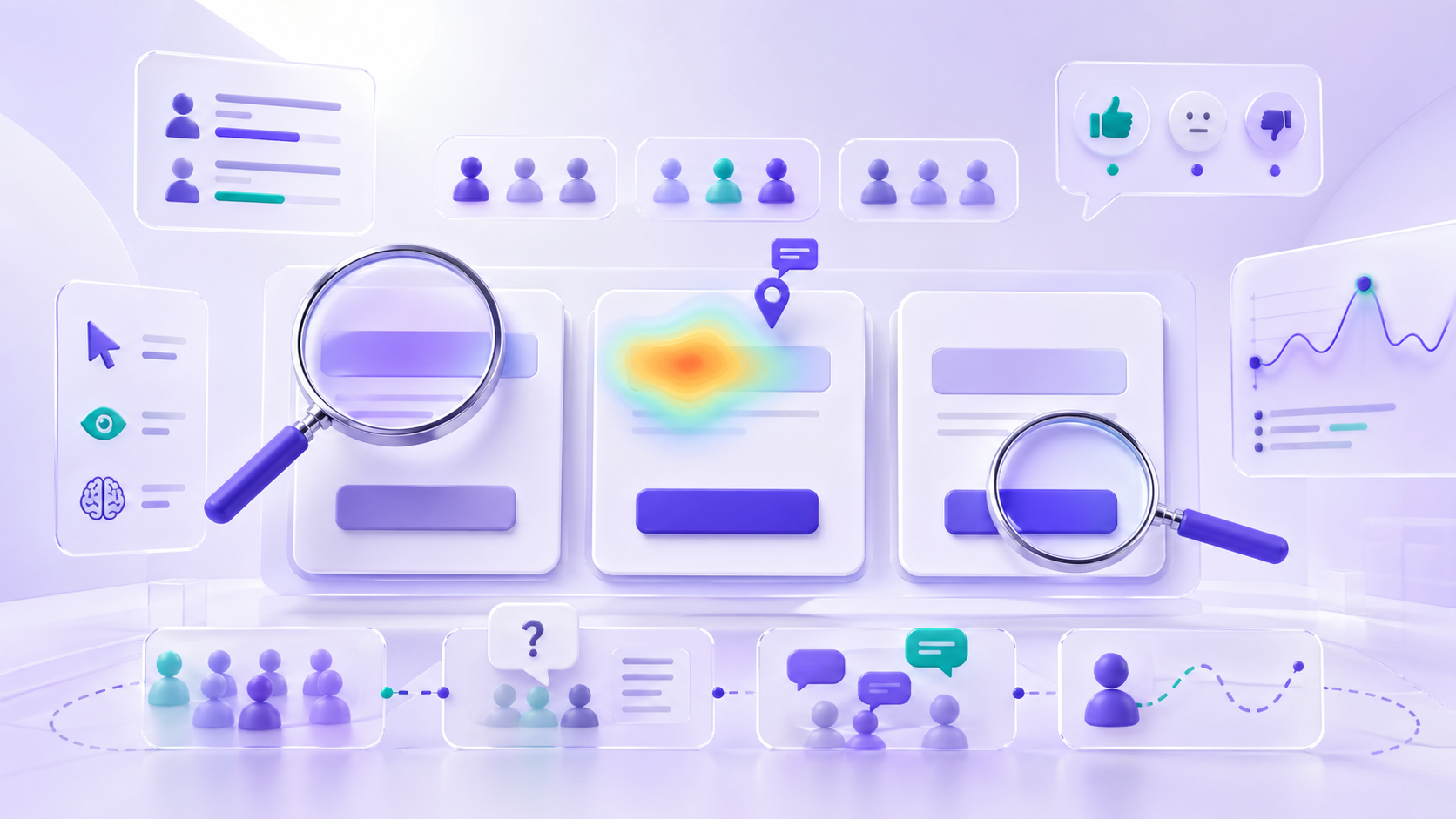
Compare six ways to test a product, message, or campaign concept before launch. The guide explains what each method can show, where it falls short, and how to match research effort to decision risk.
AI-simulated focus groups make early marketing research faster by filtering weak ideas before fieldwork. The win is sharper research, not replacing real customers.
AI-powered focus groups can compress the first mile of consumer research. Use them to catch confusion, mine objections, and sharpen questions before spending on real participants.